Well-being
Is your teen burning out? 7 quiet signs, and what actually helps
 Bhaskar SinghaniaFounder, Roobaroo.ai · 19 November 2026 · 6 min read
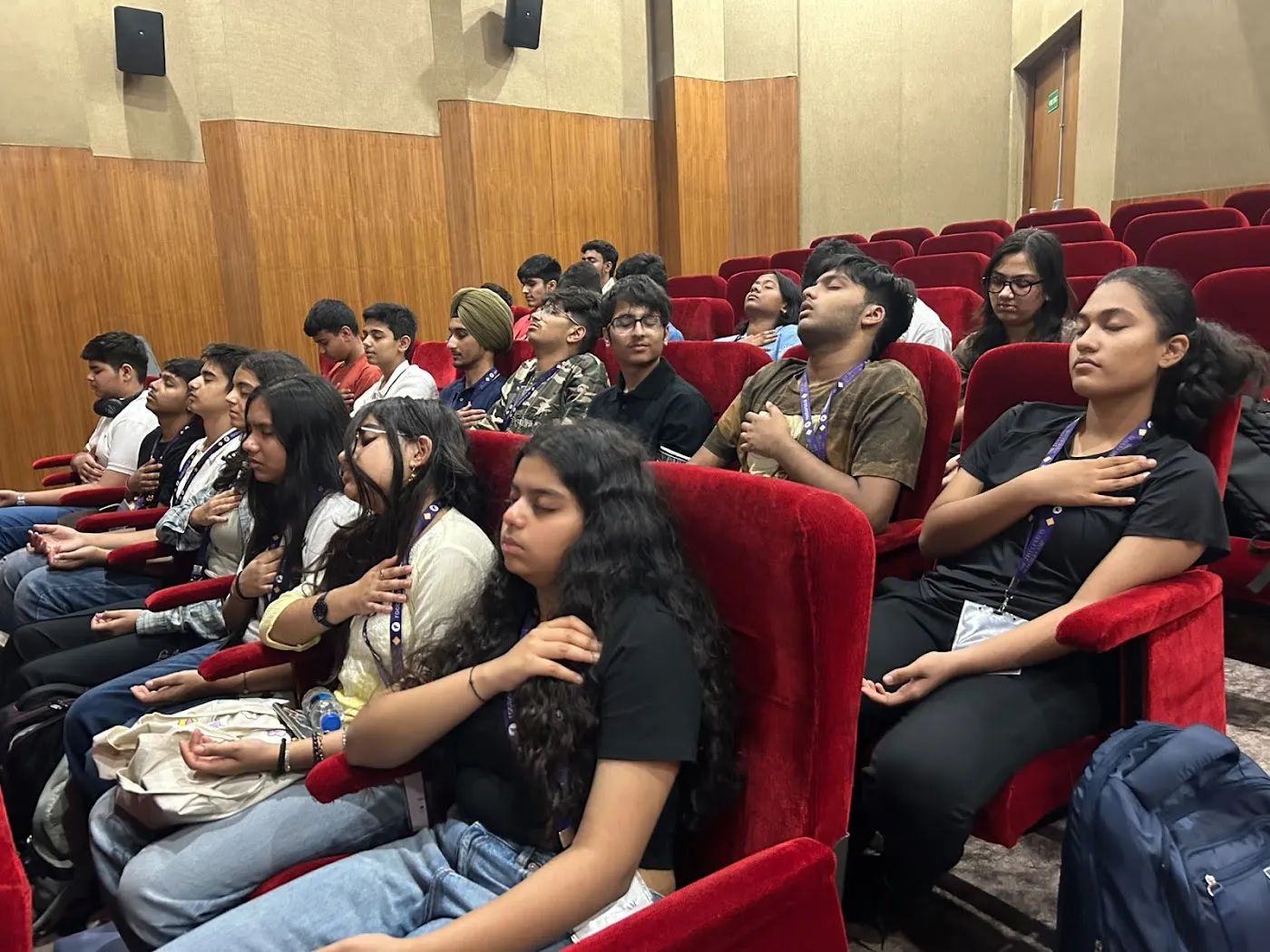
Most teenagers who are burning out don't say "I'm burnt out". They say "I'm just tired", or nothing at all. Burnout builds slowly, and from the outside it often looks like laziness, attitude or a phase.
Burnout is what happens when pressure stays high for a long time and recovery stays low: board exams, coaching classes, college applications, a full social life online, and very little real rest. The good news is that it is very treatable when it's caught early.
7 quiet signs to watch for
- Tired after rest. They sleep in on weekends and still wake up exhausted.
- "What's the point?" Things they used to care about, like a sport, a hobby or even marks, suddenly don't matter.
- Short fuse. Small requests lead to big reactions, especially around studies.
- Busy but not moving. Long hours at the desk with less and less getting done.
- Pulling away. Fewer friends over, more time alone with a screen.
- Body signals. Frequent headaches, stomach aches or changes in appetite and sleep.
- Harsh self-talk. "I'm useless", "Everyone else is ahead of me".
What actually helps
1. Talk about load, not laziness
Instead of "Why aren't you studying?", try "What's taking up most of your energy this week?" It opens a conversation instead of a defence.
2. Protect recovery like you protect study time
Sleep, movement and offline time with friends are not rewards for finishing work. They are what make the work possible. Put them on the calendar.
3. Give the goal a "why"
Pressure without direction is the fastest route to burnout. When a student knows why they are choosing a subject or a career path, effort feels lighter. That's what our Career Lab works on first.
4. Make screens intentional, not forbidden
Banning phones rarely works. Agreeing on phone-free times, like meals and the last hour before bed, usually does.
5. Get help early
If the signs last for more than two weeks, or a teen talks about feeling hopeless, speak to a school counsellor or a qualified psychologist. Asking for help early is a strength, not a failure.
This article is general guidance, not medical advice. If you are worried about a young person's safety, contact a mental health professional or local emergency services straight away.